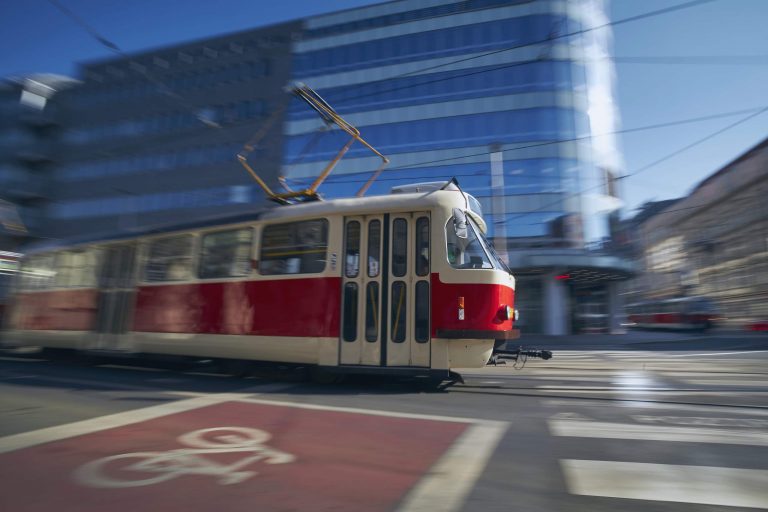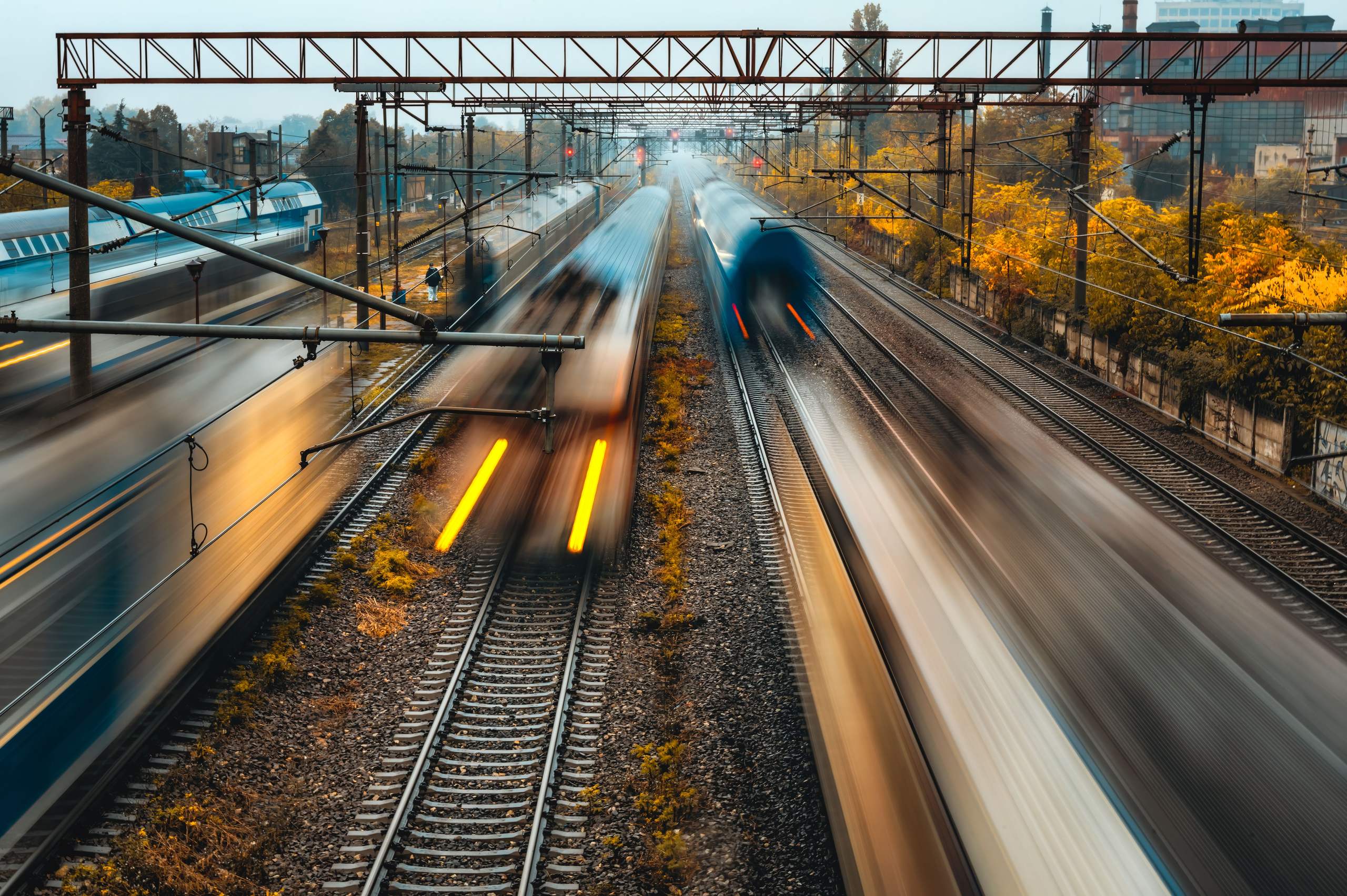
Modern cities are not shaped accidentally, but rather are organised around transport systems. Transport systems (roads, railways, public transport, logistics, etc.) are defining how people and goods travel, how businesses can operate, and how effectively a city functions. Understanding transport systems helps you understand how cities function.
In transport systems, the central theme is connectivity. People want to get to work, goods to be delivered, and services to be accessed. The more effective this connectivity is provided, the better functioning a city is. In contrast, a poorly designed transport system will lead to congestion, delays, and economic inefficiencies.
Flow is one of the most critical concepts in transport systems. It describes how smoothly people and vehicles can travel through a transport network. As a transport professional, you will need to spend a lot of time optimising routes, removing bottlenecks, and balancing transport demand across modes of transport to ensure no point in the network is over-capacity.
Another key concept is integration. The transport systems of today are interconnected. Buses link to trains, trains link to airports, and logistics links them all together. This integration enables seamless travel and reduces the friction in our daily commutes and goods movement.
Technology is revolutionising the transport systems of today at an unprecedented rate. From smart traffic lights to real-time data analysis to automated systems, cities are using technology to respond to changing conditions more effectively. Technology enables better decision-making and more responsive infrastructure. As technology advances, transport systems will become even more responsive and even more intelligent.
Sustainability is one of the key themes of modern transport design. Cities are actively seeking ways to reduce emissions, reduce energy consumption, and deliver environmentally-friendly transport solutions. This includes expanding public transport, investing in cycling infrastructure, and investing in electric and alternative energy solutions. Sustainable transport is not a fad, it’s a must.
At TransportSystemPro, we aim to help you learn these concepts in a simple and structured way. Rather than overloading you with transport theories and models, we help you unpack transport systems into their component parts, so you can understand how they all work together.
When you learn how transport systems shape cities, you will start to see the city in a new light. You will start to see patterns, connections, and opportunities for improvement. This way of thinking is not only valuable for transport, but for many fields that involve systems and structures.
Because transport isn’t just about getting from point A to point B. It’s about how the world stays connected.