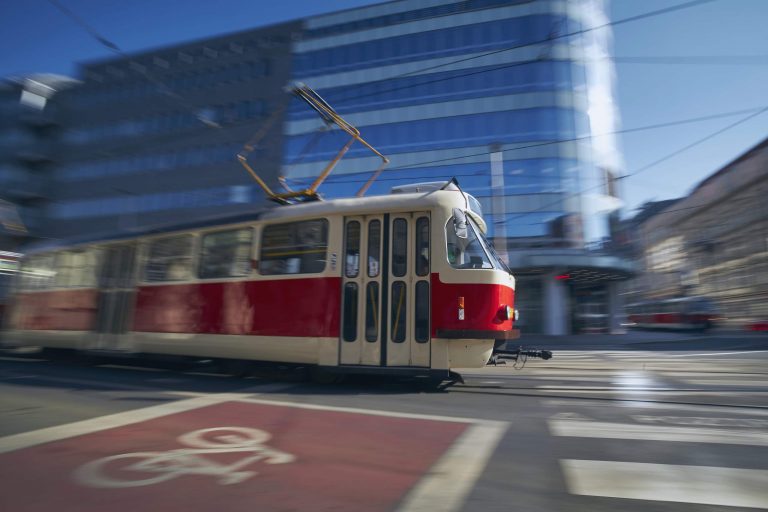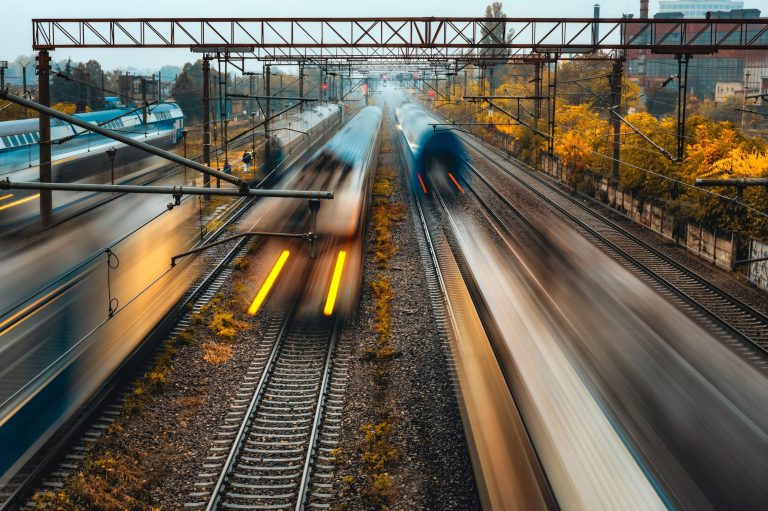
Transport networks are the very fabric of transportation. They are the underlying fabric of everything that moves in a city, region, or even entire country. If you want to fully grasp transport systems, you need to see them as transport networks that consist of interconnected nodes and links: Nodes are entities such as stations, intersections, terminals and hubs. Links are the transport connections between them: roads, railways, flight routes, etc.
The performance of a transport system depends on the organisation of the network (the quality of the nodes and links and their relationships). Transport networks and links Transport network planning and design need to balance capacity and demand. An underutilised transport network is a waste of resources, but an overloaded transport network leads to congestion, delays and loss of performance.
Transport network planning involves the analysis of transport traffic, the estimation of transport demand and the planning of transport routes. Redundancy is another key consideration. A transport network should never rely on only one link or route. In the case of transport network failure, alternative routes must exist in order to maintain the flow of transport. This increases the reliability of the transport network and ensures that it will continue to operate, even if something goes wrong.
The transport network should also be scalable. Transport networks need to be able to adapt to growth and expansion. It should be able to handle an increase in demand, without a significant decrease in performance.
Scalable transport networks are fit for the future and able to accommodate long-term growth. Transport network data In a transport network, data is key. Using sensors, monitoring systems and real-time data analytics, transport planners can monitor transport performance and make informed decisions. Data-driven transport planning enables continuous improvement and better control over the transport network. Transport networks at TransportSystemPro
At TransportSystemPro, we focus on the principles above. This way you will be able to grasp and evaluate transport systems. Instead of seeing how transport systems work, you will also learn how to think about transport systems, their structure, performance and how they can be improved.
Once you understand the concepts above, you can look at any transport system, from small towns to big cities, and understand how it works and where improvements can be made.